

In modern construction, thinner materials are often marketed as more advanced, more efficient, and easier to install.
And while thin stone cladding certainly has its place in architecture, the assumption that thinner automatically means better is one of the biggest misconceptions in the natural stone industry.
At AUSSIETECTURE, we regularly work with architects, builders, and designers who initially focus on reducing stone thickness — only to later realise that thicker stone cladding often delivers superior architectural outcomes, improved longevity, and a more premium appearance.
The reality is: stone thickness should be determined by performance, aesthetics, application, and long-term durability — not simply by trying to make it as thin as possible.
The Push Toward Thin Stone
There are understandable reasons why thin stone cladding has become popular.
Thin cladding systems can:
- reduce overall weight,
- simplify transportation,
- lower structural loads,
- and sometimes reduce installation complexity.
This has made thinner profiles attractive in certain applications, particularly:
- lightweight facades,
- internal feature walls,
- renovation projects,
- and high-rise construction.
But thinner is not automatically superior.
Like all building materials, stone performs differently depending on how it is used.
Thickness Changes the Visual Quality of Stone
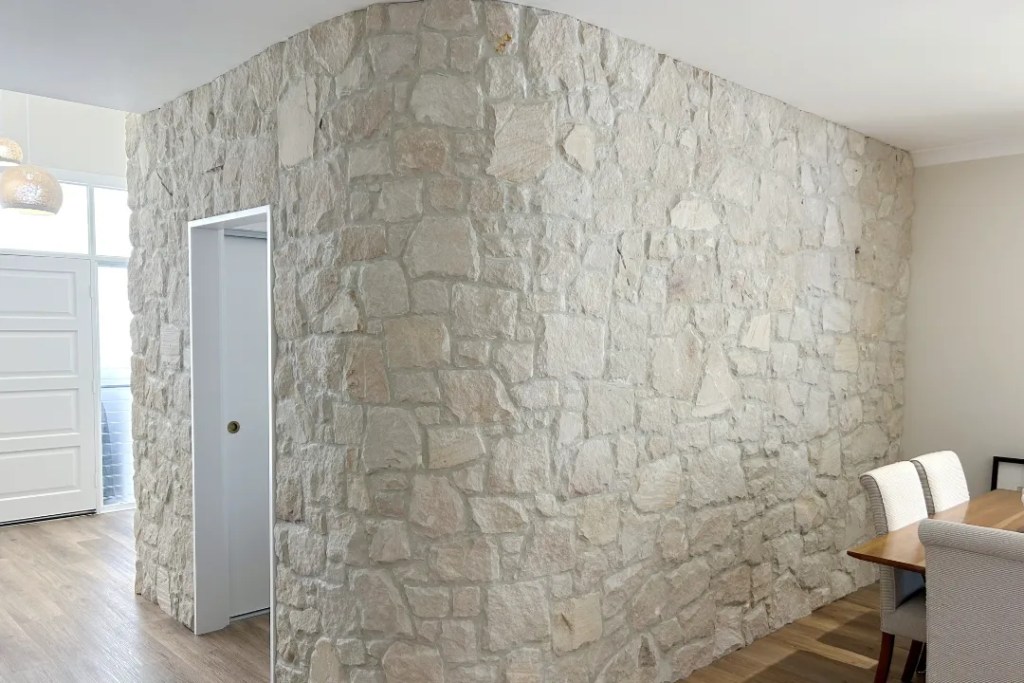
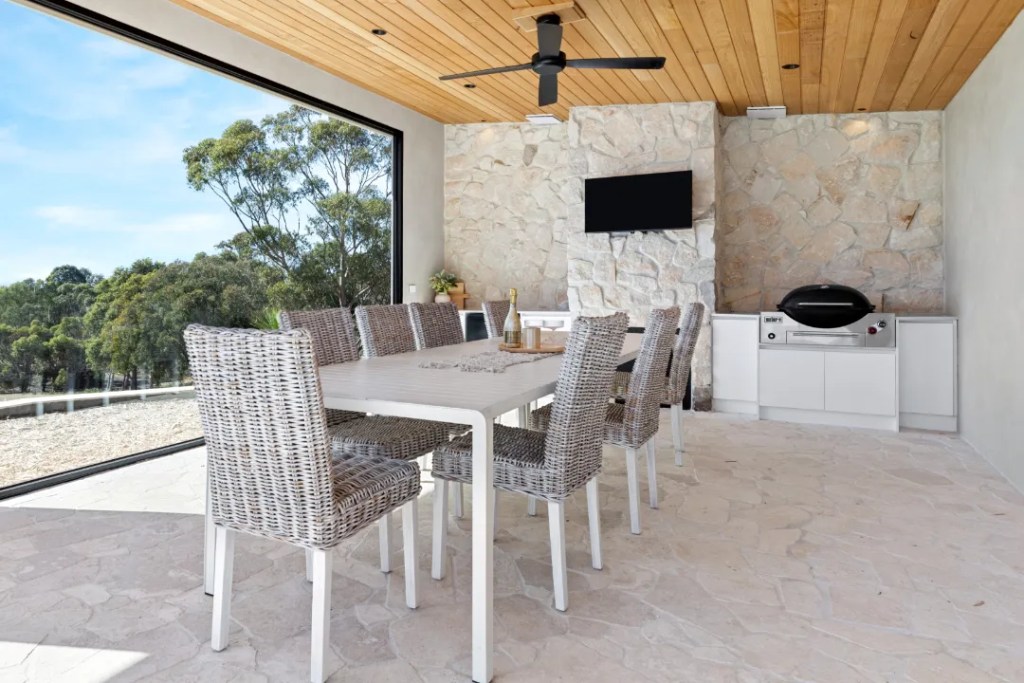
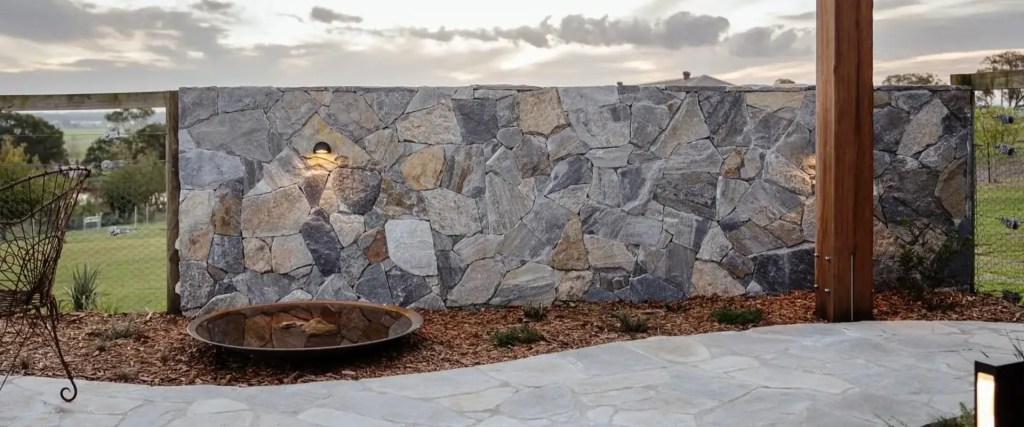
One of the biggest differences between thin and thicker stone is appearance.
Thicker stone naturally creates:
- deeper shadow lines,
- greater visual depth,
- stronger edge profiles,
- and a more substantial architectural presence.
Thin stone cladding can sometimes appear flat or artificial — particularly when trying to imitate traditional solid masonry construction.
This becomes especially noticeable on:
- corners,
- retaining walls,
- feature facades,
- entry statements,
- and irregular walling applications.
Architects often choose natural stone specifically because they want mass, depth, and permanence.
Excessively thin stone can compromise that effect.
Thicker Stone Often Looks More Authentic
Traditional stone architecture was built using substantial material thicknesses. This created:
- natural depth,
- shadow variation,
- strong reveals,
- and a sense of permanence.
When stone becomes extremely thin, it can sometimes lose the visual honesty that makes natural stone appealing in the first place.
In luxury architecture especially, clients are increasingly seeking materials that feel:
- authentic,
- grounded,
- timeless,
- and substantial.
Thickness contributes heavily to this perception.

Thin Stone Does Not Always Mean Lower Installation Costs
A common assumption is that thinner stone automatically saves money during installation.
In reality, this is not always true.
While thinner material may reduce freight and handling weight, installation labour often remains similar because:
- substrate preparation still matters,
- layout still requires time,
- cutting and detailing still occur,
- and skilled installers are still essential.
In some cases, thinner stone can even require:
- more precise substrates,
- additional backing systems,
- specialised adhesives,
- or stricter movement control.
The labour component of stone installation is often one of the largest project costs regardless of thickness.
Durability Matters
Natural stone is valued for longevity, but reducing thickness too far can affect:
- impact resistance,
- structural integrity,
- edge durability,
- and long-term performance.
This becomes particularly important in:
- high-traffic areas,
- external facades,
- retaining walls,
- coastal environments,
- commercial projects,
- and pool surrounds.
Thicker stone generally offers:
- better strength,
- improved durability,
- greater resilience,
- and more forgiving long-term performance.
Stone Movement and Expansion Must Be Considered
Natural stone expands, contracts, and moves over time.
Thinner stone profiles can sometimes become more sensitive to:
- substrate movement,
- thermal expansion,
- moisture variation,
- and installation inconsistencies.
This is why proper:
- mechanical fixing design,
- adhesive selection,
- movement joints,
- and substrate preparation
remain critical regardless of thickness.
Choosing thin stone purely to reduce weight without considering movement behaviour can create long-term issues.
Not All Stone Types Perform the Same at Thin Thicknesses
Different natural stones behave differently.
Some dense granites may tolerate thinner profiles well in certain applications.
Other stones — particularly softer or more layered geological materials — may require greater thickness for stability and durability.
This is where proper specification becomes extremely important.
At AUSSIETECTURE, we regularly help architects and builders determine appropriate stone thicknesses based on:
- application,
- stone type,
- fixing method,
- project exposure,
- traffic requirements,
- and desired architectural outcome.

There is no universal “best thickness.”
Thin Stone Can Reduce Architectural Character
One of the reasons architects specify natural stone is because it introduces:
- depth,
- texture,
- mass,
- shadow,
- and permanence.
Excessively thin stone can sometimes flatten these qualities. This is especially true with:
- irregular walling,
- split-face cladding,
- traditional walling styles,
- and heavily textured profiles.
A thicker profile often produces richer shadow lines and stronger architectural character.
In many luxury projects, this visual difference becomes extremely noticeable.
Contemporary Architecture Still Values Substance

Minimalist architecture does not necessarily mean lightweight architecture.
In fact, many contemporary homes intentionally combine:
- clean forms,
- large glazing,
- and restrained detailing
with highly tactile, substantial natural materials.
Stone provides balance.
And thickness often contributes to the feeling of quality, stability, and permanence clients are searching for.
The Best Stone Outcome Is About Balance
Thin stone absolutely has a role within contemporary architecture.
But the pursuit of thinner and thinner products should never come at the expense of:
- durability,
- authenticity,
- architectural depth,
- or long-term performance.
Good stone specification is about balance. The right thickness depends on:
- the project,
- the stone,
- the installation system,
- and the desired architectural language.
At AUSSIETECTURE, we believe natural stone should feel substantial, timeless, and architecturally honest.
Because sometimes, more depth creates better architecture.
OUR RANGE →


